
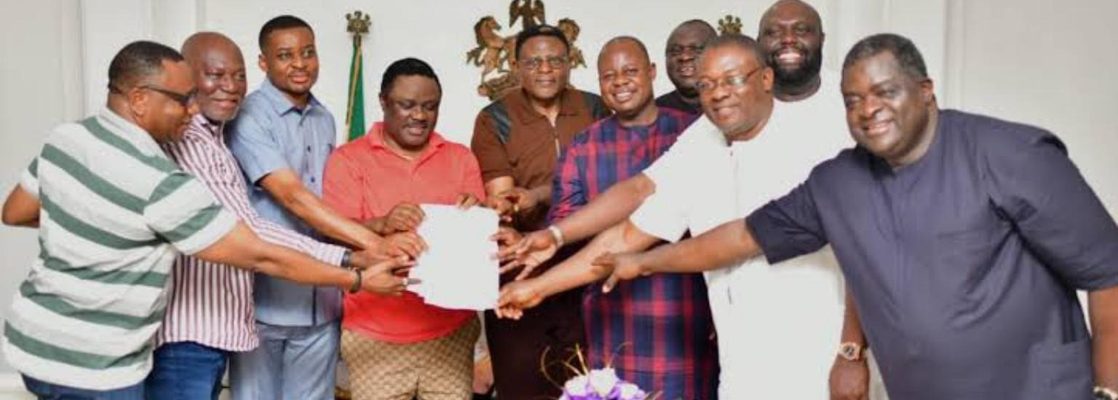
BY CHIDI AMAEZE
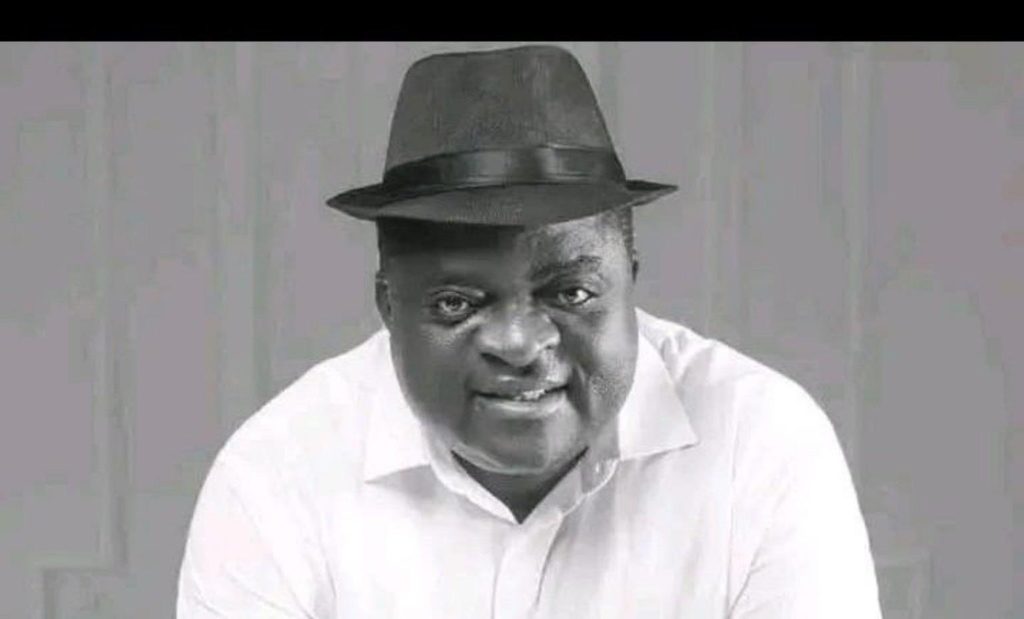
EKA WILLIAMS: The Ikom Son Who Left His Mark On Cross River’s Public Life
From the political landscape of Ikom to the Cross River power ministry, the late Prince Eka Williams built a public career around service, politics and the search for better energy access.
In Akparabong, in Ikom Local Government Area of Cross River State, the name Eka Williams was known long before it became attached to a government office. To the wider public, he was a politician, a former party executive and, later, the Commissioner for Power and Renewable Energy. But for the community that produced him, his public career carried a more familiar meaning: one of its own had moved into the larger affairs of the state.
That story came to an abrupt end on September 12, 2026, when Prince Eka Williams died in Abuja while receiving medical attention. He was still a serving member of the Cross River State Executive Council. The news travelled quickly through the political and administrative circles of the state, followed by tributes from the governor, colleagues, friends and members of his community.
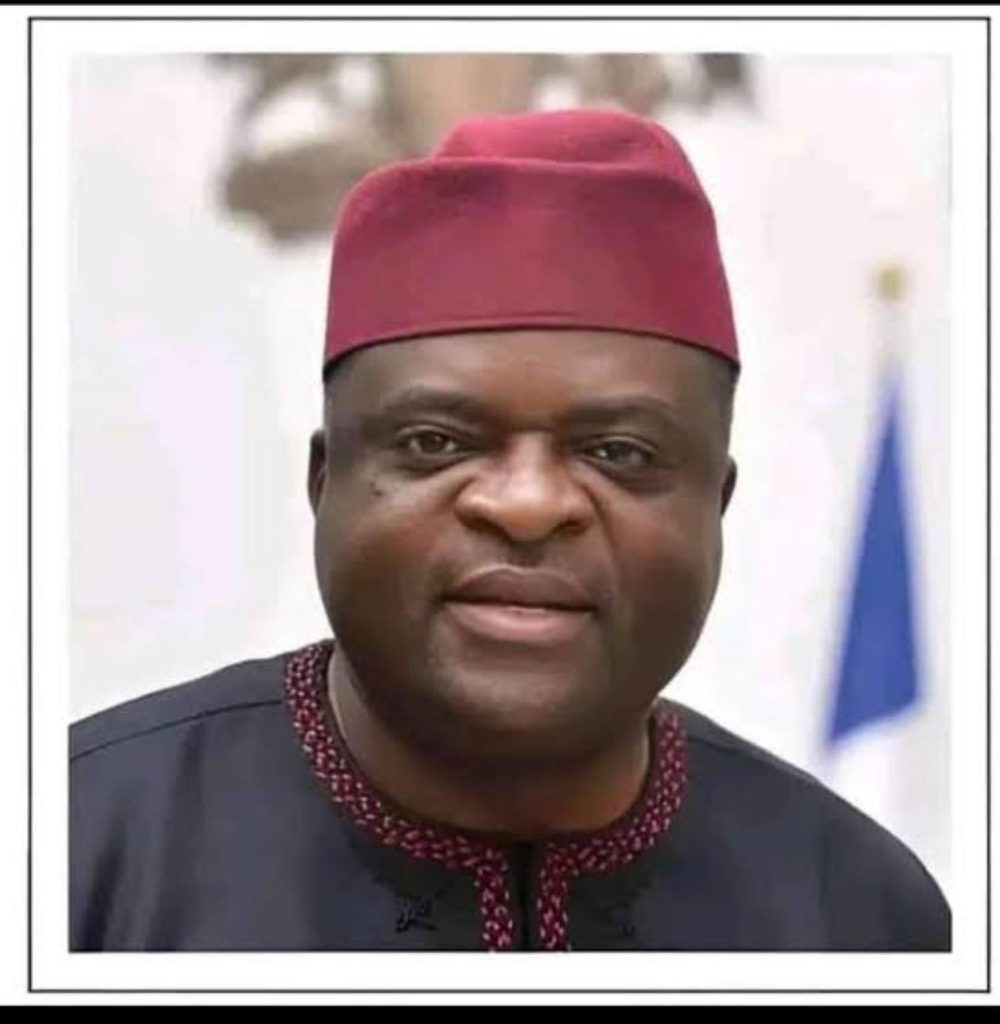
His death was sudden enough to leave many people struggling with the ordinary difficulty of accepting that a person they had seen only days earlier had become a memory. His brother, Nkang Williams, spoke of that disbelief in announcing the death. The reaction from outside the family followed the same pattern: shock, grief and an attempt to measure what had been lost.
Yet a feature on Eka Williams should not end with the circumstances of his death. His public life was long enough, and his responsibilities broad enough, to deserve a fuller account. His story moved through party politics, community representation, public administration and, in his final years, one of the most difficult policy questions in Cross River State: how to improve access to dependable electricity.
1. A Son of Akparabong, A Political Figure of Ikom
Williams’ identity was closely tied to Ikom. He was from Akparabong, a community whose name also featured in his political work. In the years before he entered the cabinet of Governor Bassey Otu, he had already established himself within the All Progressives Congress in Cross River State, serving as deputy state chairman.
That position placed him in the middle of the party’s organisational work at a time when political competition in Cross River was intense. He was not simply a figure whose name appeared on a party list. Reports from the period show him speaking on elections, defending the party’s position and working at ward and local-government levels.
In March 2023, for example, Williams spoke publicly about the results of the governorship and House of Assembly elections in Ikom. He pointed specifically to Akparabong Ward and described the ward as an area where the APC had performed strongly. Whatever one’s political position, the episode illustrated something important about his career: he understood politics from the level at which votes are actually organised — wards, polling units, local alliances and community relationships.
His political experience also extended beyond one election cycle. Before his appointment as commissioner, he had been involved in campaign and support-group structures and was appointed to coordinate support groups for the APC presidential campaign in Cross River ahead of the 2023 general elections. Those roles gave him a working knowledge of political mobilisation, coordination and grassroots engagement.
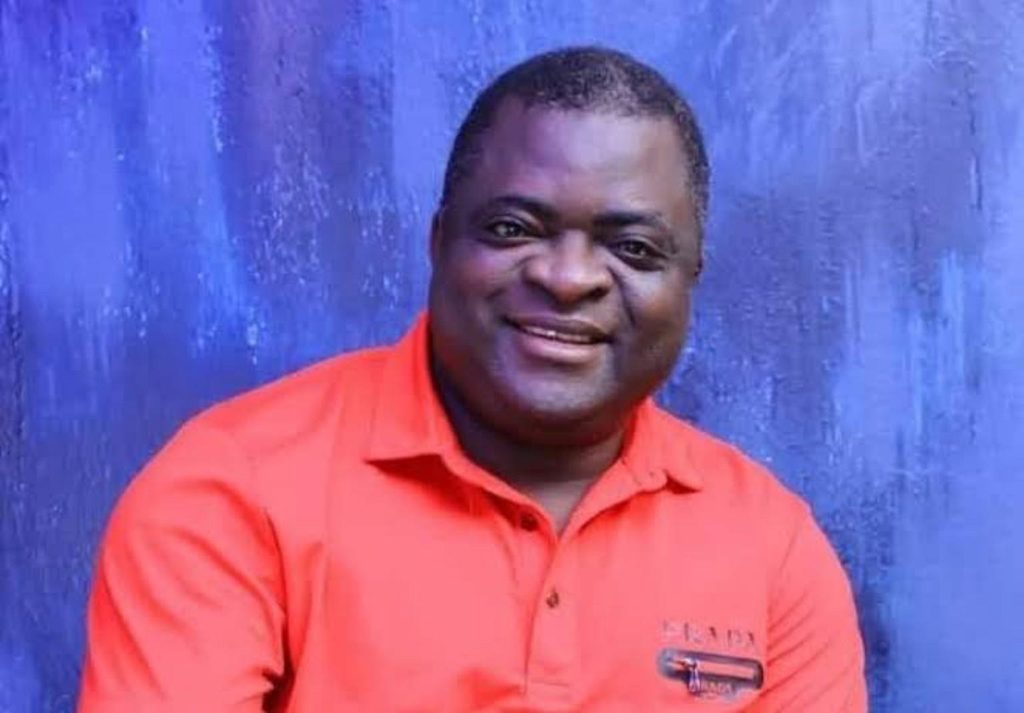
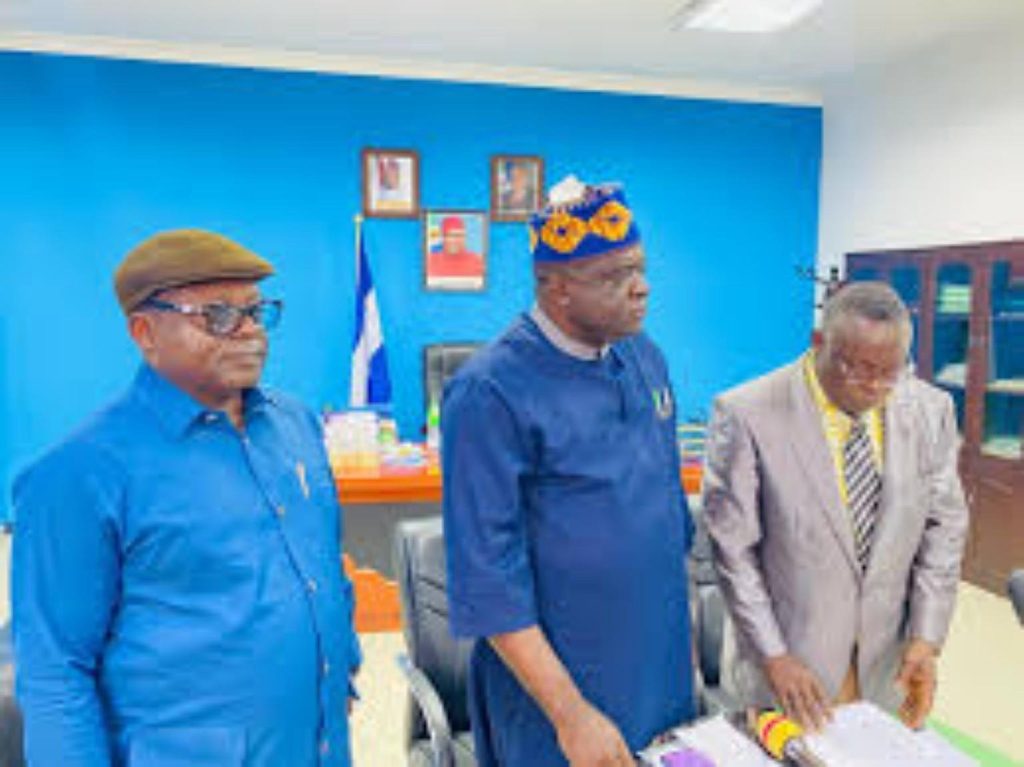
2. When Party Politics Became Public Service
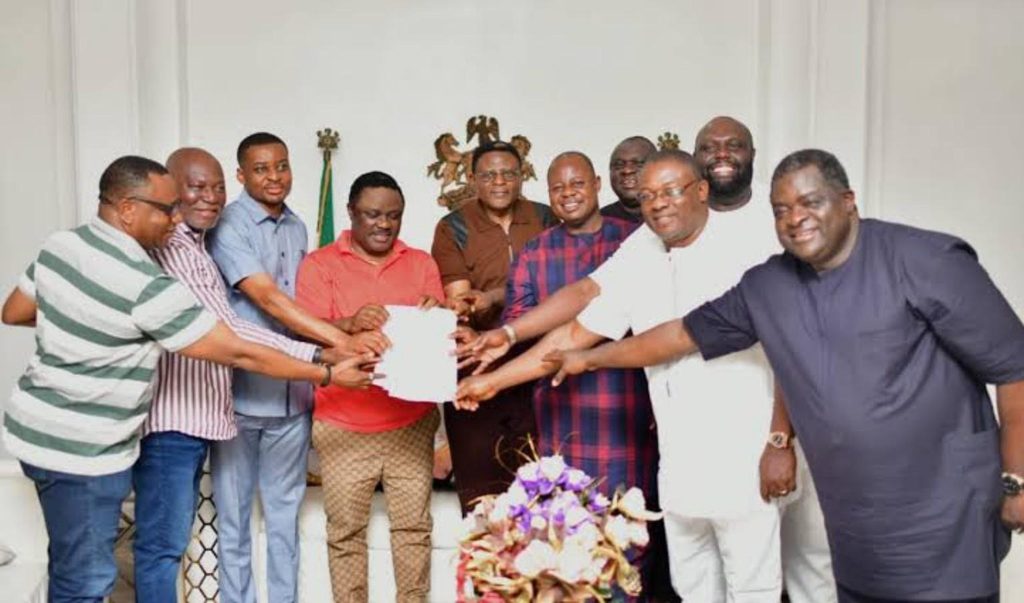
In August 2023, Williams’ political journey entered a new phase. Governor Bassey Otu swore in members of the Cross River State Executive Council, and Williams was among the commissioners. The appointment changed the nature of his responsibility. Party politics is often measured in organisation, persuasion and electoral outcomes; government is measured more directly by policy, implementation and public expectations.
Williams was assigned the Power and Renewable Energy portfolio, a ministry that placed him at the centre of a problem that Cross River, like many parts of Nigeria, has struggled with for years. Electricity is not only an engineering issue. It affects businesses, hospitals, schools, households, security and the general ability of communities to plan for economic activity.
His public statements during his time in office showed that he understood the problem as more than a question of generating more megawatts. He repeatedly discussed renewable energy, decentralised power, transmission constraints and the need for the state to develop an electricity framework suited to its own resources.
3. The Search for Light
The most defining part of Williams’ ministerial career was his work around electricity policy. In 2024, he presented the Cross River State Electricity Bill, a proposed legal framework designed to take advantage of the changes introduced by Nigeria’s Electricity Act 2023 and the growing role of states in electricity generation, transmission and distribution.
The proposed framework was significant because it sought to move the conversation from dependence on the national grid alone towards a broader state-level energy system. It proposed institutions that would regulate electricity within the state and create room for investment across generation, transmission, distribution and supply.
Williams also pushed the conversation towards renewable energy. In December 2024, the state government began a review of its electricity policy, with Williams saying the process was intended to bring the state in line with developments in the energy sector, improve alternatives for consumers and make the policy more attractive to investment.
By November that year, he was publicly discussing an ambition for Cross River to develop up to 120 megawatts of generation capacity from a mix of sources. The sources he identified included gas, hydro, wind, biomass, solar and compressed natural gas. The proposals were ambitious, and not all of them could be expected to become operational within a short period. But they showed the direction in which his ministry was trying to take the conversation.
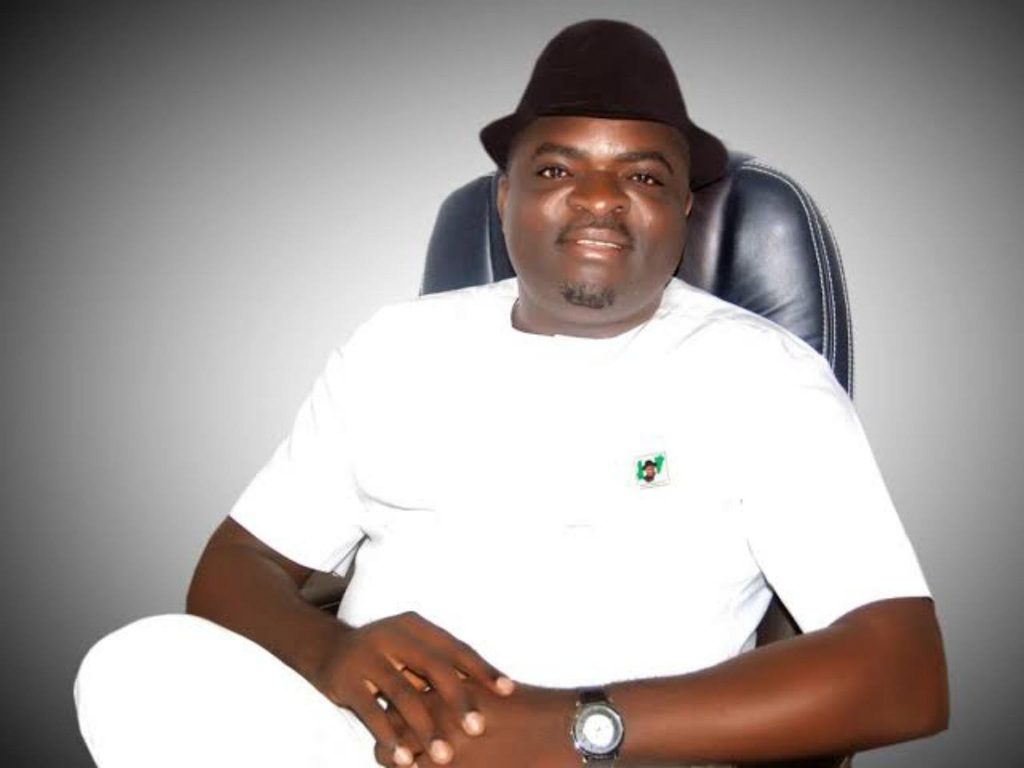
In April 2026, only months before his death, Williams was still speaking about the same challenge. He described electricity as the ‘oxygen of every business’ and argued that transmission was a major obstacle even where generation potential existed. He also stressed that the state’s new electricity law would need to be implemented gradually and that the proposed regulatory commission should be made up of professionals and protected from political interference.
Those remarks are important when assessing his record because they reveal an approach that went beyond announcing projects. Williams was also concerned with the policy and institutional structures that would determine whether those projects could survive beyond a particular administration.
4. From Policy Papers to Projects
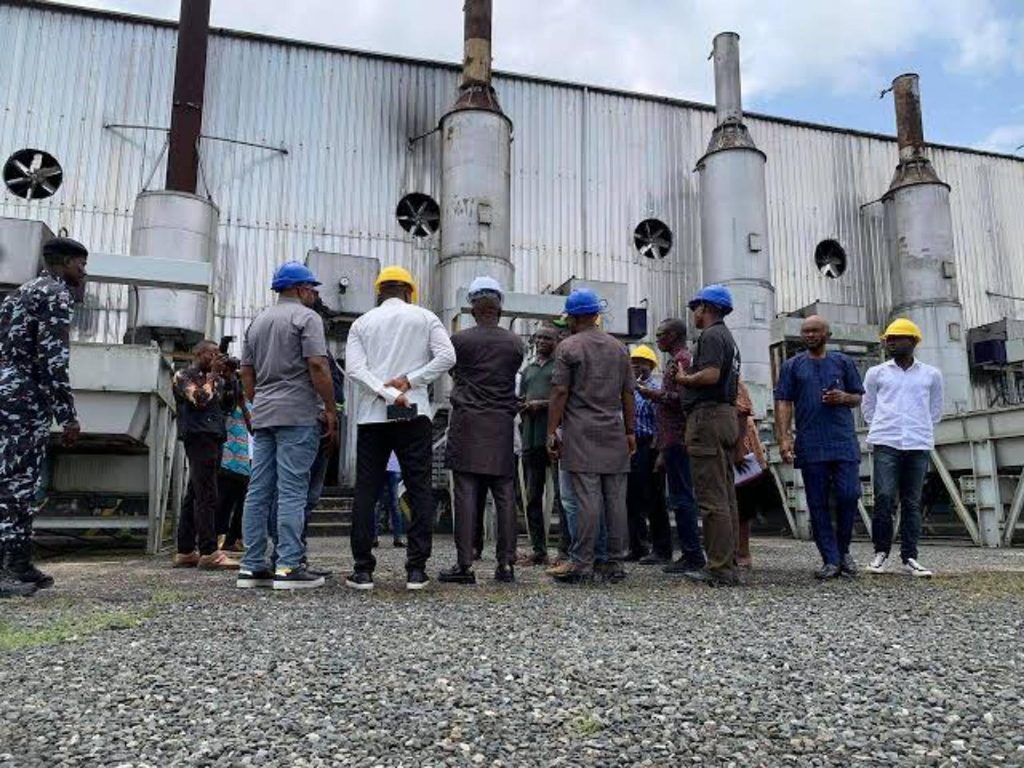
The work was not confined to meetings and documents. Williams represented the Cross River government at several energy-related engagements and participated in efforts to expand renewable-energy access.
In March 2025, he represented Governor Otu at the commissioning of a 440kWp interconnected mini-grid serving Etomi, Agbokim, Abia and Bendeghe communities in Etung Local Government Area. The project was implemented by the Rural Electrification Agency under the Interconnected Mini-Grid Acceleration Scheme, with support from development partners. Williams’ presence at the event reflected the state’s interest in using decentralised energy to reach communities that could not depend adequately on conventional supply.
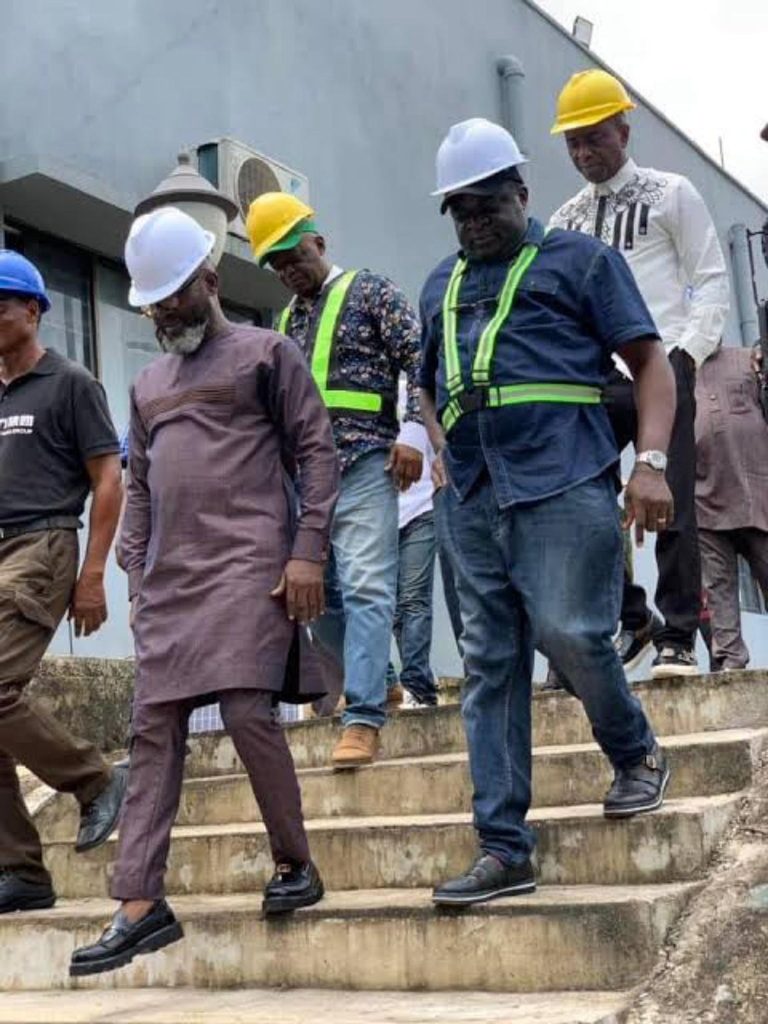
A month later, he led an inspection of a 245kW solar-powered system at the headquarters of the Brotherhood of the Cross and Star in Calabar. He described the installation as an example of what private and community institutions could do to support the state’s renewable-energy direction.
These activities matter because they show the range of the portfolio Williams inherited. He was dealing with legislation, policy reviews, existing power infrastructure, renewable-energy projects and relationships with federal agencies and private actors. The work was technical, political and administrative at the same time.
5. A Politician in the Energy Conversation

Williams’ influence was not limited to Cross River. He also became part of the national conversation among state power commissioners. He chaired the Forum of Commissioners of Power and Energy, through which state commissioners engaged the federal government and the National Assembly on electricity policy.
In 2025, the forum raised concerns about proposed amendments to the Electricity Act, arguing that some changes could create conflicts between federal and state responsibilities and complicate the emerging decentralized electricity framework.
That role added another dimension to his career. The politician from Ikom was now participating in a national policy debate about how electricity governance should work across Nigeria.
It is also a reminder that public service is rarely a single straight line. Williams moved from party organization into government and from state-level administration into a wider professional and policy network. Each stage added a different kind of responsibility.
6. Beyond the Office
Public records can tell us where Williams served and what policies he worked on. They are less able to capture the everyday relationships that made those positions meaningful.
Tributes following his death repeatedly returned to words such as humility, commitment, friendship and service. His brother described him as a companion as well as a family member. Political associates remembered a man who was active in community and party affairs. Colleagues spoke of a public servant whose work had touched different parts of the state.
Those descriptions should be read alongside the record of his public activities. The value of a public official is not measured only by the number of projects announced under his name. It is also measured by whether he helped move difficult conversations forward, whether he created institutions that could continue working after him and whether he understood the people affected by government decisions.
By that measure, Williams’ contribution is best understood as a work in progress. Some of the energy plans associated with his tenure were still being implemented or developed when he died. That unfinished nature should not be hidden. It is part of the reality of public service, where policies often take years to produce their full results.
7. What Remains
For Cross River, the immediate loss is personal and administrative. A commissioner has died, a family has lost a husband, father, brother and relative, and a political community has lost one of its active members.
But the longer question is what happens to the work he was helping to build.
The electricity policies discussed during his tenure will continue to face the practical tests of funding, regulation, infrastructure and implementation. Renewable-energy projects will require maintenance. The institutions created to manage a more decentralized electricity system will need people who can protect them from the weaknesses that often affect public projects.
That is where a person’s legacy becomes more than a tribute. It becomes a responsibility for those who remain.
Eka Williams came into public office from politics, but his final years were increasingly defined by a technical and developmental question: how can Cross River produce and distribute more reliable electricity and use its natural resources more effectively?
He did not live long enough to see every answer to that question. What he did leave behind was a body of public work — political organization, policy proposals, energy advocacy and participation in projects — that now forms part of the record of his service.
In Akparabong and across Ikom, his death will be remembered first as the loss of a son. In Cross River’s political circles, it will be remembered as the departure of an experienced organiser and public servant. And in the state’s energy sector, it will mark the sudden absence of a commissioner who spent his final years trying to move the conversation about power from complaint to policy.
The office he occupied will eventually have another occupant. The policies will continue to evolve. The projects will continue or stop according to the decisions of those who come after him. But the record of the work he began will remain part of Cross River’s public story.
For a man whose public career became closely associated with the search for power, perhaps that is the most fitting measure of his legacy: not that he finished every task, but that he helped place some of the right questions on the table — and left others with the duty to continue the work.
